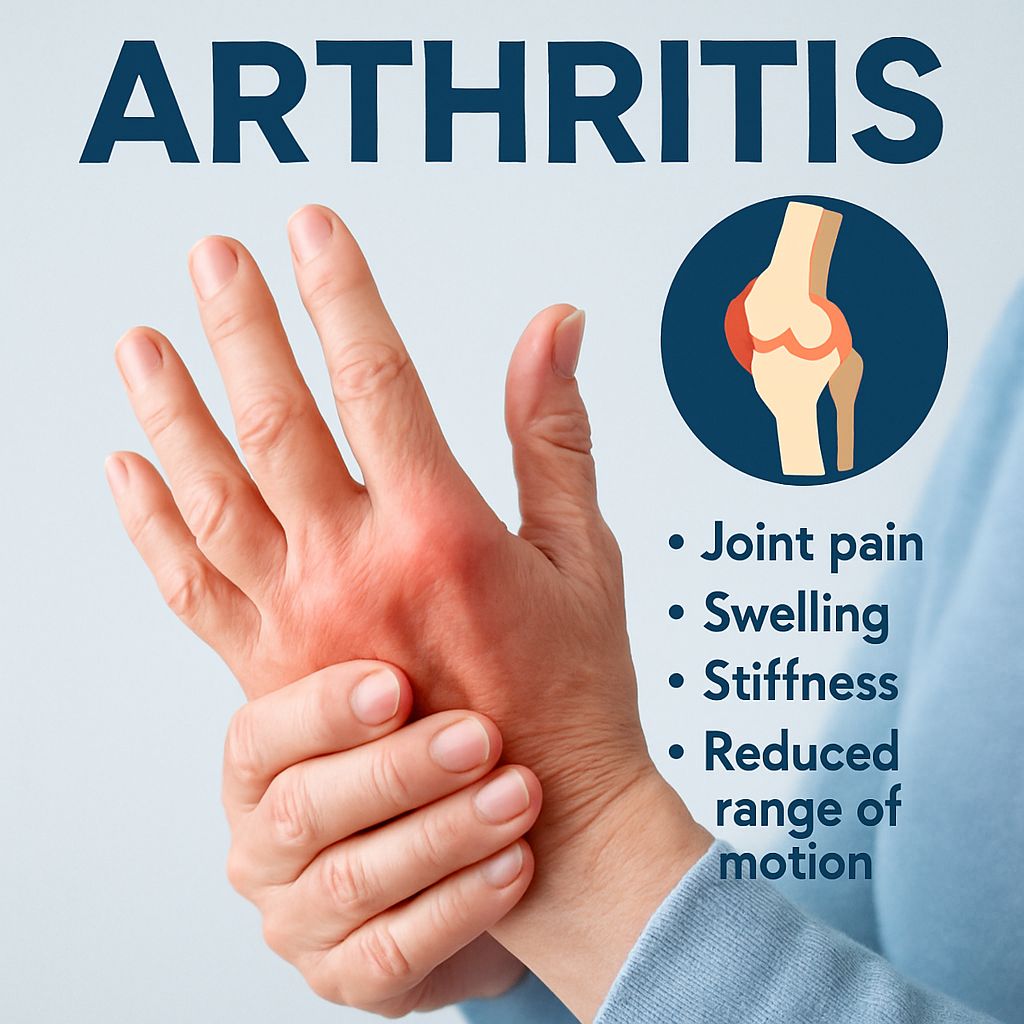
- Arthritis doesn't have to end your golf game — with the right equipment adjustments and technique changes, most players can keep enjoying the sport they love.
- Graphite shafts, oversized grips, and low-compression golf balls are three of the most impactful gear swaps you can make to dramatically reduce joint stress on every swing.
- How you grip the club matters more than most golfers realize — gripping too tightly is one of the most common mistakes arthritis sufferers make, and it silently worsens pain over time.
- Swing mechanics directly affect joint inflammation — small adjustments to weight transfer, spine angle, and backswing can protect your knees, hips, and wrists from unnecessary strain.
- Working with both a physiotherapist and a golf coach is the fastest way to customize your game for your specific type of arthritis — keep reading to find out why this combination works so well.
Arthritis and golf can absolutely coexist — and nearly 25 million Americans return to the golf course each season, many of them managing some form of joint pain.
The key isn't pushing through the pain or giving up the game. It's making smart, targeted adjustments to your equipment, your swing, and your routine. Resources focused on empowering arthritis patients consistently show that staying active — including playing golf — supports better joint health, improved range of motion, and overall well-being. This guide breaks down exactly what to change and why it works.
You Can Still Play Golf With Arthritis
Golf is one of the most arthritis-friendly sports out there when approached correctly. It combines low-impact movement, outdoor activity, and social engagement — all of which contribute positively to joint health and mental wellness. The physical benefits alone, including improved strength, balance, coordination, and range of motion, make it well worth adapting your game rather than abandoning it.
The adjustments covered in this article are drawn from guidance developed by physiotherapists, occupational therapists, and golf coaches who specialize in working with players who have arthritis. Shandia Cordingley, a physical therapist at Dale Charles Physiotherapy in Penticton, British Columbia, worked directly with the Arthritis Society of Canada to develop swing tips specifically for golfers with arthritis — and many of those principles are reflected here.
The Right Golf Clubs Make a Real Difference
Your equipment is the foundation of a pain-managed golf game. The wrong clubs can amplify vibration, force awkward bending, and put excessive strain on already-sensitive joints. Getting this right is your first priority.
Why Graphite Shafts Are Better for Arthritic Joints
Steel shafts transmit shock directly up through the club and into your hands, wrists, and elbows on every single shot. Graphite shafts, by contrast, absorb a significant portion of that vibration before it ever reaches your grip. For anyone dealing with arthritis — especially in the hands, wrists, or elbows — switching to a lightweight graphite shaft club is one of the most impactful changes you can make. They're also lighter overall, which reduces the total fatigue on your joints across an entire round.
Longer Clubs Reduce How Much You Bend
Bending down repeatedly to address the ball stresses the lower back, hips, and knees. Opting for longer clubs raises the natural address position, allowing you to stand taller at setup. Pair this with longer tees — even on the practice range — and you substantially reduce how often your joints are forced into compromised positions. Long tees also protect your hand and wrist joints by lowering the chance of striking the ground with the club head and sending a jarring impact through your arms.
Perimeter-Weighted Club Heads Absorb Shock
Perimeter-weighted or cavity-back club heads distribute mass around the outer edges of the club face. This design creates a larger sweet spot, which means off-center hits — which are more common when joint pain affects your swing consistency — still produce cleaner contact with less vibration feedback. Less vibration means less stress transferred to inflamed joints on every imperfect shot. For those looking to improve their game, even with joint pain, exploring best drivers for seniors who slice can be beneficial.
Grip Adjustments That Protect Your Hands
The grip is where your body meets the club, and for golfers with arthritis, it's often the most problematic point of contact. Getting the grip right can be the difference between a pain-free round and one that sidelines you for days.
Oversized Grips Lower Pressure on Fingers and Wrists
Standard golf grips require your fingers to wrap tightly around a narrow surface, which concentrates pressure directly on the finger joints and wrist. An oversized grip spreads that pressure across a larger surface area, significantly reducing the force each individual joint has to bear. Golf coach Gareth Raflewski, who works with LPGA and PGA players in London, Ontario, notes that the biggest issue he sees with arthritic golfers is the tendency to grip the club too tightly — which compounds stress on the hands, wrists, elbows, and even shoulders. For those struggling with a golf slice, adjusting your grip can also help improve your swing.
Oversized grips are widely available at pro shops and sporting goods stores. When selecting one, the general rule is that your fingers should rest lightly against your palm rather than digging in. If standard oversized grips still feel too firm, some players benefit from grips specifically designed with cushioned or shock-absorbing materials built into the rubber compound itself.
Quick Grip Size Guide for Arthritis:
Grip Type Best For Key Benefit Standard Grip No joint issues Baseline control Midsize Grip Mild hand arthritis Slightly reduced finger pressure Oversized/Jumbo Grip Moderate to severe hand/wrist arthritis Maximum pressure distribution Cushioned Shock-Absorbing Grip Elbow and wrist arthritis Vibration dampening + pressure relief
How to Build Up a Grip With Athletic Tape
You don't always need to replace your grips entirely. Wrapping the existing grip with athletic tape — the same type used for tennis racquets — is an affordable and effective way to build up diameter and cushioning. Apply the tape in overlapping spiral layers until the grip feels comfortable in your hand without requiring a tight squeeze to hold securely. This DIY approach works particularly well for players who already own clubs they love and don't want to replace them. If you're also dealing with issues like a slice, you might find it helpful to explore how to fix a golf slice to improve your game further.
Padded Golf Gloves Reduce Force on Hand Joints
Padded golf gloves add a layer of cushioning between your hand and the grip, reducing the direct force transmitted to your finger and palm joints on every swing. Look for gloves with extra padding across the palm and at the base of the fingers — these are the pressure points that take the most punishment during a full swing. Wearing gloves on both hands, not just the lead hand, provides additional stabilization if you have arthritis in both hands.
Small Gear Changes With a Big Impact
Beyond clubs and grips, a few smaller equipment decisions can meaningfully change how your joints feel during and after a round. These aren't gimmicks — they're practical tools that reduce cumulative stress across 18 holes.
Think of each small adjustment as removing one layer of strain. On its own, a single change might feel minor. But switching your golf ball, using longer tees, and wearing the right shoes simultaneously can shift the entire experience of playing from painful to manageable.
Your local pro shop or golf specialty store is a genuinely useful resource here. Staff can help you stay current on the latest adaptive equipment and point you toward products designed specifically with joint protection in mind.
Low-Compression Golf Balls Soften the Impact on Joints
Standard high-compression golf balls are firmer and transfer more impact energy back through the club into your hands on contact. Low-compression golf balls — typically rated at 70 or below on the compression scale — are softer and absorb more of that impact energy at the point of contact. For golfers with arthritis in the hands and wrists, the difference is noticeable, especially on mishits where the energy transfer is at its worst. Titleist Tour Soft and Callaway Supersoft are two widely available low-compression options worth trying.
Long Tees Let You Stand Taller and Protect Your Wrists
Long tees are a simple, inexpensive adaptation that pays dividends across your entire round. By raising the ball higher off the ground, they allow you to stand more upright at address — reducing strain on your lower back, hips, and knees simultaneously. This adjustment can also aid in maintaining proper golf alignment, which is crucial for an effective swing.
There's another benefit that often gets overlooked. When a club strikes the ground before the ball — a fat shot — the sudden jarring impact travels straight into your wrists and elbows. Long tees reduce the likelihood of that ground contact, which is especially important for players whose swing consistency has been affected by joint pain or reduced range of motion.
- Use long tees even on the fairway when playing casual rounds — there's no rule against it in recreational golf.
- 3.25-inch tees are ideal for drivers and help maintain a taller, more comfortable stance.
- Brush tees with flexible bristles instead of a solid cup also reduce resistance on contact, further protecting wrist joints.
- Keep extra tees accessible in an easy-to-open bag pocket — fumbling with small objects is a real challenge when finger joints are stiff.
Pair long tees with longer clubs, and the cumulative reduction in bending and stooping across a full round becomes significant — especially for players managing arthritis in the hips, knees, or lumbar spine.
It's a small change with a surprisingly large impact on how your body feels on the back nine. For more tips on adapting your game, check out these golfing with arthritis strategies.
The Right Golf Shoes Prevent Foot and Ankle Pain
Choose a golf shoe with substantial arch support, a well-cushioned midsole, and a wide toe box that allows your feet to spread naturally during weight transfer. Shoes that are too narrow compress the toe joints and can trigger or worsen arthritis flares in the feet. Look for styles with soft spike soles rather than hard spikes, as these provide traction without locking the foot rigidly into the ground — which reduces rotational stress on the knee and ankle during your swing.
Swing Adjustments That Reduce Joint Stress
Equipment can only do so much. How you actually move through a golf swing has a direct effect on which joints absorb stress and how much. Poor mechanics don't just hurt your scorecard — they trigger inflammation and can accelerate joint damage over time. The good news is that even small technique adjustments produce immediate, noticeable relief.
How Weight Transfer Protects Your Joints During a Swing
Proper weight transfer — shifting your weight from your back foot to your front foot through the downswing — distributes the forces of the swing across your entire kinetic chain rather than concentrating them in one place. When weight transfer is restricted or absent, the knees, hips, and lower back compensate by absorbing disproportionate load. For golfers with arthritis, this compensation pattern is a direct path to a flare-up. Focusing on smooth, deliberate weight shift protects every joint from the ground up. If you're struggling with your swing, you might want to explore how to fix a golf slice to improve your overall technique.
Letting Your Heels Lift Makes Weight Transfer Easier
Many golfers with arthritis in the hips or lower back find that keeping both feet flat throughout the swing restricts rotation and forces the spine into uncomfortable positions. Allowing your back heel to lift naturally during the backswing, and your front heel to lift slightly on the follow-through, permits a fuller, more fluid rotation without demanding excessive mobility from stiff joints. For those struggling with slicing, consider exploring the best drivers for golfers who slice to enhance your game.
This heel-lift technique has been specifically recommended by physiotherapists working with arthritic golfers because it reduces the torque demands placed on the knee and hip joints during rotation. It's a small permission to give yourself — lifting a heel feels counterintuitive to golfers trained in traditional stance mechanics — but the joint protection benefit is real and immediate.
Swing Modification Checklist for Arthritic Golfers:
Swing Element Traditional Approach Arthritis-Friendly Adjustment Back heel Flat on ground Allow natural lift during backswing Front heel Planted through impact Slight lift permitted on follow-through Grip pressure Firm control grip Light hold — club should feel secure but not squeezed Backswing length Full shoulder turn Shortened swing within comfortable range of motion Spine angle at finish Slight forward lean More vertical finish to reduce lower back compression
These aren't compromises — they're intelligent adaptations. Many recreational golfers without arthritis would benefit from the same adjustments simply because they reduce unnecessary mechanical stress across the board.
Start by focusing on just one or two changes per round rather than overhauling your entire swing at once. Layering in adjustments gradually gives your body and muscle memory time to adapt without introducing new compensatory patterns. For more tips, check out our guide on golf alignment.
Keep Your Spine Vertical at the End of Your Swing
A traditional full follow-through involves a pronounced reverse C position — a backward arch of the spine — which compresses the lumbar vertebrae and stresses the facet joints. For golfers with spinal arthritis or lower back involvement, this finish position can be a significant source of post-round pain. Aiming for a more vertical, upright spine position at the end of your swing dramatically reduces that compression without meaningfully affecting your power or accuracy. If you're experiencing issues with your swing, consider exploring equipment options like the SF1 Driver to improve your game.
Shandia Cordingley's guidance for arthritic golfers specifically addresses finish position, noting that stance, weight distribution, and backswing mechanics are all individual — but the principle of reducing end-range spinal loading applies broadly. Work with a golf coach to find a finish position that feels natural for your body while protecting your spine.
Tip from physiotherapy practice: Think of finishing your swing with your belt buckle facing the target and your spine tall — not leaning back. This mental cue consistently produces a more joint-friendly finish position without requiring players to think about the mechanics of each individual joint.
Combining a vertical finish with the heel-lift adjustment and a shortened backswing creates a swing that works within your body's current range of motion rather than fighting against it — which is exactly the goal.
Gripping Lighter Reduces Strain on Elbows and Shoulders
Most golfers instinctively tighten their grip when they feel their swing is off — but for someone with arthritis, that instinct is working directly against them. Gareth Raflewski, the golf coach who works with LPGA and PGA players, specifically calls out tight gripping as the number one mechanical problem he sees in arthritic golfers. A death grip forces tension up through the forearms, into the elbows, and across the shoulders on every single swing. Consciously lightening your grip — holding the club as though it might fall but won't — immediately removes that chain of tension. Your shots may actually improve, because a relaxed grip allows the club head to release more naturally through impact.
Smart Ways to Scale Back Without Quitting the Game
Scaling back doesn't mean giving up. It means playing smarter so you can keep playing longer. One of the most effective strategies is simply playing fewer holes per session — nine holes instead of eighteen — especially during flare-up periods or extreme weather. Cold, damp conditions are notoriously hard on arthritic joints, so timing your rounds for the warmest part of the day and avoiding early morning tee times when joints are at their stiffest can make an enormous difference to how you feel both during and after a round.
Using a golf cart strategically is another way to protect your energy and joints without abandoning the game entirely. Walking a full 18-hole course covers between four and six miles and adds cumulative stress to weight-bearing joints. There's no shame in riding when your body needs it. Some players find a middle ground works well — riding between distant holes and walking shorter distances where the terrain is flat and manageable. The goal is to keep playing, and whatever gets you back out on the course consistently is the right call.
Work With a Pro to Fix Bad Habits Fast
Who to Work With and Why:
Professional What They Address Key Benefit for Arthritic Golfers Physiotherapist Joint-specific stretches, mobility limitations, brace recommendations Reduces inflammation triggers and improves safe range of motion Occupational Therapist Adaptive grip tools, daily joint protection strategies Practical solutions for hand and wrist involvement Golf Coach Swing mechanics, stance, weight distribution, backswing correction Eliminates technique-driven joint stress at the source Pro Shop Specialist Equipment fitting, grip sizing, club selection Matches gear precisely to your joint limitations and swing style
The combination of a physiotherapist and a golf coach is particularly powerful because it addresses the problem from both ends simultaneously. The physiotherapist understands what your joints can and cannot tolerate, while the golf coach understands how to translate those limitations into a functional, effective swing. Without both perspectives, you're either getting generic medical advice that doesn't account for golf-specific movement demands, or golf instruction that ignores your body's real physical constraints.
Poor technique is a documented trigger for arthritis flares. Incorrect stance, misaligned weight distribution, and an overextended backswing don't just affect your swing — they irritate joint linings, promote inflammation, and over time can accelerate joint damage. A single lesson with a qualified coach who understands arthritis can identify and correct these patterns in ways that self-correction through trial and error simply cannot match.
Don't wait until pain forces you off the course to seek this kind of support. Booking a consultation proactively — ideally before a new season begins — gives you a game plan built around your current joint health rather than a reactive fix after a flare-up has already set you back.
Frequently Asked Questions
Golfers managing arthritis tend to share a common set of concerns — about safety, equipment, and whether specific adaptations actually work in practice. The answers below cut through the noise and give you clear, actionable guidance based on what physiotherapists, coaches, and the evidence consistently support.
Whether you've just been diagnosed or have been managing arthritis for years, these questions address the practical realities of staying on the course without making your joint health worse.
Fast Reference: Common Arthritis Golf Questions
Question Short Answer Is golf safe with arthritis? Yes, with proper adaptations Best grip size for arthritic hands? Oversized or jumbo grip Do low-compression balls help? Yes — softer feel, less vibration transfer Cart vs. walking? Depends on severity — cart is fine when needed Can bad swing technique worsen arthritis? Yes — poor mechanics directly trigger inflammation
Use the detailed answers below to understand the reasoning behind each of these positions — because understanding why a recommendation works makes it far more likely you'll actually follow through with it.
Is Golf Safe to Play if You Have Arthritis?
Golf is safe to play with arthritis when approached with the right equipment, technique adjustments, and awareness of your body's limits. The Arthritis Society of Canada and arthritis health organizations in the United States both recognize golf as an activity that supports joint health rather than undermining it — provided players make sensible adaptations. The physical benefits of golf include improved strength, balance, coordination, and range of motion, all of which directly support better joint health outcomes over time.
- Warm up before every round — cold, stiff joints are far more vulnerable to injury than warmed-up ones.
- Listen to pain signals — discomfort during activity that doesn't settle within an hour afterward is a sign to scale back.
- Avoid playing in cold, damp conditions when possible, as these reliably worsen joint stiffness and pain.
- Stay hydrated — dehydration affects joint fluid and increases inflammation sensitivity.
- Check in with your doctor if you experience new or significantly worsened joint pain after starting or resuming golf.
The key distinction is between the normal muscle fatigue of physical activity and joint pain that signals inflammation or damage. Learning to recognize that difference — and responding appropriately — is what makes golf sustainable long-term with arthritis.
For most players, the answer to “can I still play?” is an unqualified yes. It's the “can I play the same way I always have?” question that requires a more nuanced response — and this article is that response.
What Is the Best Golf Club Grip Size for Arthritis?
An oversized or jumbo grip is the most widely recommended option for golfers with arthritis in the hands, fingers, or wrists. The larger diameter reduces the force each individual finger joint must exert to maintain club control, spreading the load across a broader surface area. For mild arthritis, a midsize grip may be sufficient. For moderate to severe hand involvement, a full jumbo grip — or a standard grip built up with two or more layers of athletic tape — is the better choice.
The right fit means your fingers rest lightly against your palm when holding the club. If your fingertips dig deeply into your palm or you feel you need to squeeze to maintain control, the grip is too small for your current joint condition. Revisit grip sizing at the start of each season, as arthritis progression can change what feels comfortable and functional over time.
Do Low-Compression Golf Balls Actually Help With Arthritis?
Yes — low-compression golf balls genuinely reduce the vibration and impact energy transferred to your hands and wrists at the moment of contact. Balls with a compression rating of 70 or below are noticeably softer at impact compared to high-compression tour balls. The difference is most pronounced on mishits, where impact energy is highest and most unevenly distributed. For recreational golfers with arthritis, the trade-off of slightly less distance for meaningfully less joint stress is almost always worth it. Callaway Supersoft and Titleist Tour Soft are reliable, widely available options in this category.
Should I Use a Golf Cart or Walk the Course With Arthritis?
Both options have merit, and the right choice depends on your specific joints and how you're feeling on a given day. Walking is excellent low-impact exercise that benefits cardiovascular health and joint mobility — but covering four to six miles across uneven terrain places significant cumulative load on the knees, hips, and lower back. If your arthritis primarily affects weight-bearing joints, using a cart strategically — particularly on longer holes or hilly sections — protects those joints without eliminating the activity entirely. A push cart is a good middle ground for players who want to walk but need to reduce the load of carrying a bag.
Can the Wrong Golf Swing Make Arthritis Worse?
Yes — and this is one of the most underappreciated risks for golfers managing arthritis. Poor swing mechanics place repetitive, abnormal stress on joints that are already compromised. Incorrect stance, poor weight distribution, an overextended backswing, and a compressed spinal finish position don't just cause soreness — they directly irritate joint linings, promote inflammatory responses, and over time can accelerate the progression of joint damage. For tips on managing these risks, you can explore golfing with arthritis.
The most common culprits are gripping too tightly, failing to transfer weight properly through the downswing, and forcing a full backswing beyond what current joint mobility comfortably allows. Each of these creates compensatory movements elsewhere in the kinetic chain — stress that lands disproportionately on already-vulnerable joints. For more information on managing joint stress while golfing, check out this guide on golfing with arthritis.
The solution isn't to stop swinging — it's to swing better. Working with a golf coach who understands the physical demands and limitations of arthritis is the most direct path to a swing that protects rather than damages your joints. Even one or two sessions focused on arthritis-specific mechanics can dramatically change how your body responds to a round of golf.
Staying in the game with arthritis is entirely achievable — and the team at this arthritis wellness resource is dedicated to giving you the tools, knowledge, and support to keep doing the activities you love, on your terms.